What is a render ?
Render is a process used in computer graphics and image design to generate a visual representation of a scene or image from a set of input data. This process is often used in animation, game design, and 3D image design. There are different types of renders, including real-time rendering and batch rendering. Real-time rendering is used to create images in real time while interacting with an application or game, while batch rendering is used to process large amounts of images or animation sequences in a separate process. A render can also refer to the final result of this process, i.e., the generated image or animation. In this sense, a render can be used both professionally and personally, depending on its use. In summary, a render is a computer process used to generate images or animations from a set of input data and can be used in various areas, from animation to 3D game design.
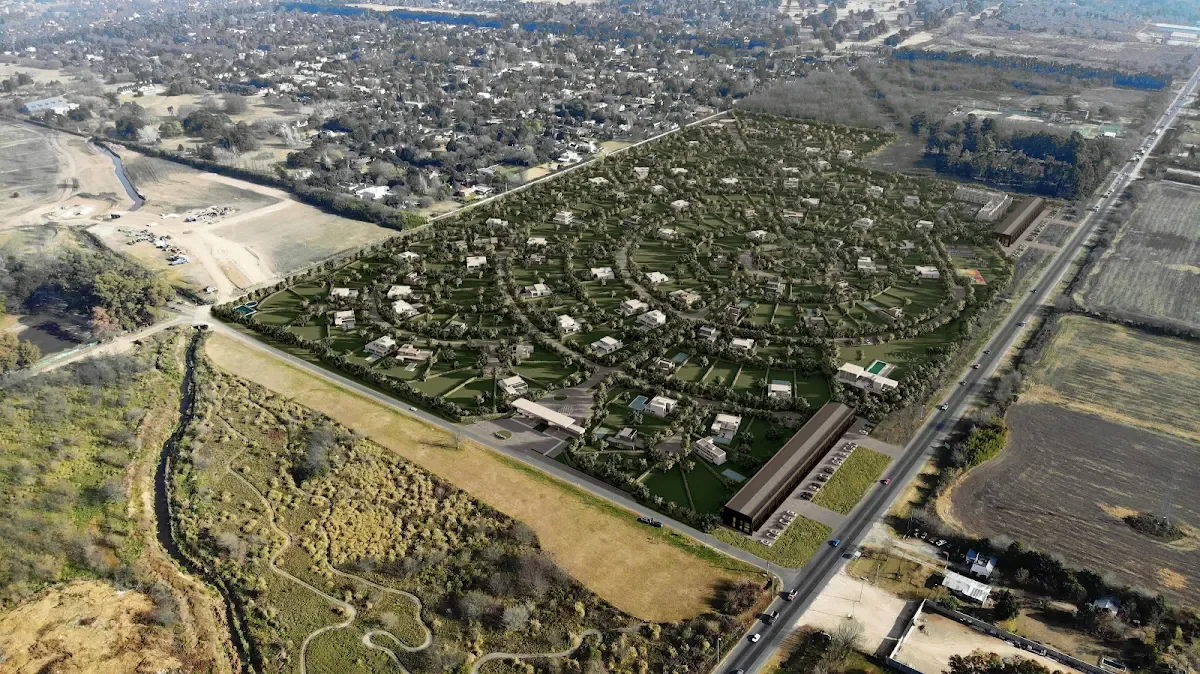
In the field of architecture, the use of renders is very common to show clients how a building or space would look before it is built. Architectural renders are images or animations that show how the building would look from different angles and in different lighting conditions. These renders can be used to present a proposal to a client, to show how the building would look once it is built, or to make changes and modifications to an ongoing project. There are several reasons why architects use renders in their work. Firstly, renders allow architects to show their clients how the building would look once it is built, which can be useful for obtaining approval for a project or for making adjustments to a design in progress. In addition, renders are a useful tool for visualizing and analyzing different design options and for making changes to a project based on the client's needs and preferences. Another reason why architects use renders is that they allow them to work more efficiently. Instead of having to hand sketch or use physical models, architects can easily create and modify 3D designs using rendering software. This allows them to save time and effort and allows them to experiment with different design options more quickly and efficiently. In summary, renders are an important tool in the field of architecture and are used to show clients how a building would look once it is built, to visualize and analyze different design options, and to work more efficiently.
What the renderer actually needs from you
Input data is not a mystery: meshes with UVs, a camera, lights or an HDRI, and materials. In a modern PBR pipeline those materials are maps—albedo, roughness, normal, metalness—not a single “pretty” photo glued on a box. The engine samples light paths until noise drops. That is why a night access shot (like the frame above) costs more samples than a sunny drone still: dark glossy floors show fireflies. Longer technical guide: what is a render: process explained. Spanish: qué es un render, guía completa.
Real-time, batch, and architecture practice
Games and Unreal walkthroughs are real-time: many frames per second, cheaper lighting. Archviz stills and the 8K aerials on this page are batch/offline: minutes per frame, more honest GI. The same CC0 textures from the Locker3d library can dress both, if color space is correct. Lighting: HDRI and PBR setup. Time vs quality: render time optimization. GPU memory: GPU vs CPU.
Architects still sketch. Renders sit beside plans: they argue atmosphere, brick scale, and night lighting that a CAD elevation cannot. They do not replace a specification. If the wood is a PBR map instead of a JPEG of a furnished room, you can change the sun and the floor stays physically plausible. Start maps: wood, concrete, stone. More articles: blog. Beginner path: from zero to first render.
Frequently asked questions
What is a render in 3D graphics?
The process—and often the file—of turning a 3D scene into a 2D image or animation.
What is the difference between real-time and batch rendering?
Real-time updates while you interact. Batch spends more time per frame for stills and film.
Why do architects use renders instead of only drawings?
To show materials and light before construction, win approval, and test options faster than physical models alone.


