Free CC0 marble textures for interior visualization are how a kitchen island or hotel lobby reads as stone instead of a flat JPEG. Archviz cameras sit close, hit polished surfaces with window light, and show every repeated vein. This guide is the interior-viz path: pick a Locker3d marble, set slab scale, and keep roughness honest so white stone does not turn into plastic.
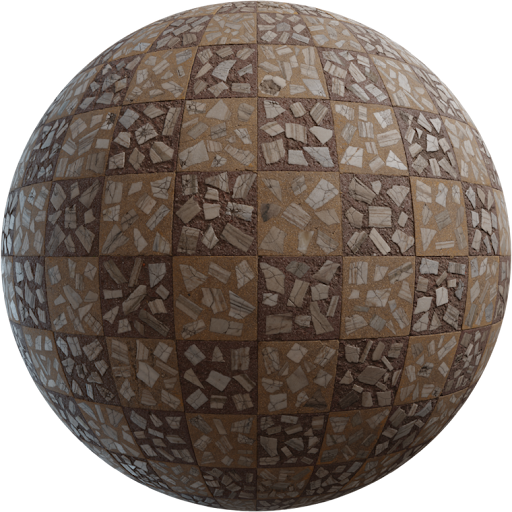
Why interiors are harder than a material ball
A sphere hides tiling. A 3-meter island does not. Dramatic white marble (Calacatta-style rivers) must be a hero slab, not a wrap. Quiet veining or a denser grain can cover a bathroom floor. Albedo must be lighting-free: no baked studio softbox, or every new HDRI will fight a fake highlight. Metalness stays 0. If you need the map list, use the complete PBR textures guide. Start in Locker3d marble rather than tinting a grey stone and hoping it reads as Carrara.
Vein scale, slabs, and bookmatching
Measure. Kitchen islands often use 120–160 cm modules; vanity tops are smaller; floor tiles may be 30, 60, or 80 cm. Unwrap the top as one island. Set Mapping so one texture repeat equals one slab—or so the main vein crosses the island once. Bookmatch cabinet sides by mirroring UVs, not by duplicating the same stamp. If two islands sit in one kitchen, offset UVs so they do not share the identical river. For large floors, pick a quieter marble or rotate every other tile 90 degrees. A perfect wrap with the same white fork every two meters is the client’s first comment.
- Hero island / reception desk — 4K, unique UV, one slab per top.
- Bathroom walls — 2K–4K, modest veins, grout as geometry or a second material.
- Background floors — denser grain, 2K, hide repeats with rugs and furniture.
Polished versus honed roughness
Polish is a roughness job. Polished interior marble often sits around 0.05–0.18 with slight variation in the veins. Honed or leathered finishes sit higher (0.35–0.55) and kill the mirror. Do not drop the whole map to 0.02 to “make it luxury”; it will look like white car paint. Keep roughness in Non-Color. The normal should describe crystal and pits, not fake grout on a slab. Pair marble with wood cabinets and metal taps so the gloss contrast feels like a kitchen, not a catalog ball. Node order: how to apply PBR textures in Blender.
Lighting white marble without clipping
White stone clips easily. Use a window HDRI plus a soft fill, and expose for the island. If reflections smear like chrome, raise roughness in the veins. If the marble looks dusty, albedo may be Non-Color or roughness is too high. Check at standing height. Avoid a second similar marble on the backsplash unless you bookmatch it.
What CC0 allows on a client job
Locker3d marble is CC0. You can use it in paid stills, VR tours, and marketing images without credit. You can recolor a vein, bake a unique UV, and deliver the scene. You cannot claim you own the original scan or sell the raw maps as your exclusive library. The line is in CC0 textures: what you can and cannot do. That is the practical reason to start from a PBR pack instead of a phone photo of a showroom slab.
Download and reuse a kitchen group
Grab sets from /textures/marble/, then save a node group with Scale, albedo, roughness, and normal exposed. The next apartment is a file swap. More interior notes: blog and the catalog. Limit a room to one hero marble and one quieter stone or tile. Three loud marbles in one frame feel like a showroom dump, not a designed interior.
Frequently asked questions
Can I use Locker3d CC0 marble in paid interior visualization?
Yes. CC0 allows commercial archviz without attribution. You can edit color and roughness, bake unique UVs, and deliver stills or walkthroughs to clients.
How do I stop marble veins from repeating on a kitchen island?
Treat the island top as one slab: one UV island, Mapping scale so a single tile covers the top. Bookmatch neighboring faces. Do not tile a dramatic Calacatta across four meters.
Should interior marble use displacement?
Usually no. Polished marble is almost flat. A sharp normal and a low roughness map sell the stone. Displace only a broken edge or a honed floor seen at grazing angle.