

About this texture
Embossed Geometric Leather: finish and surface detail
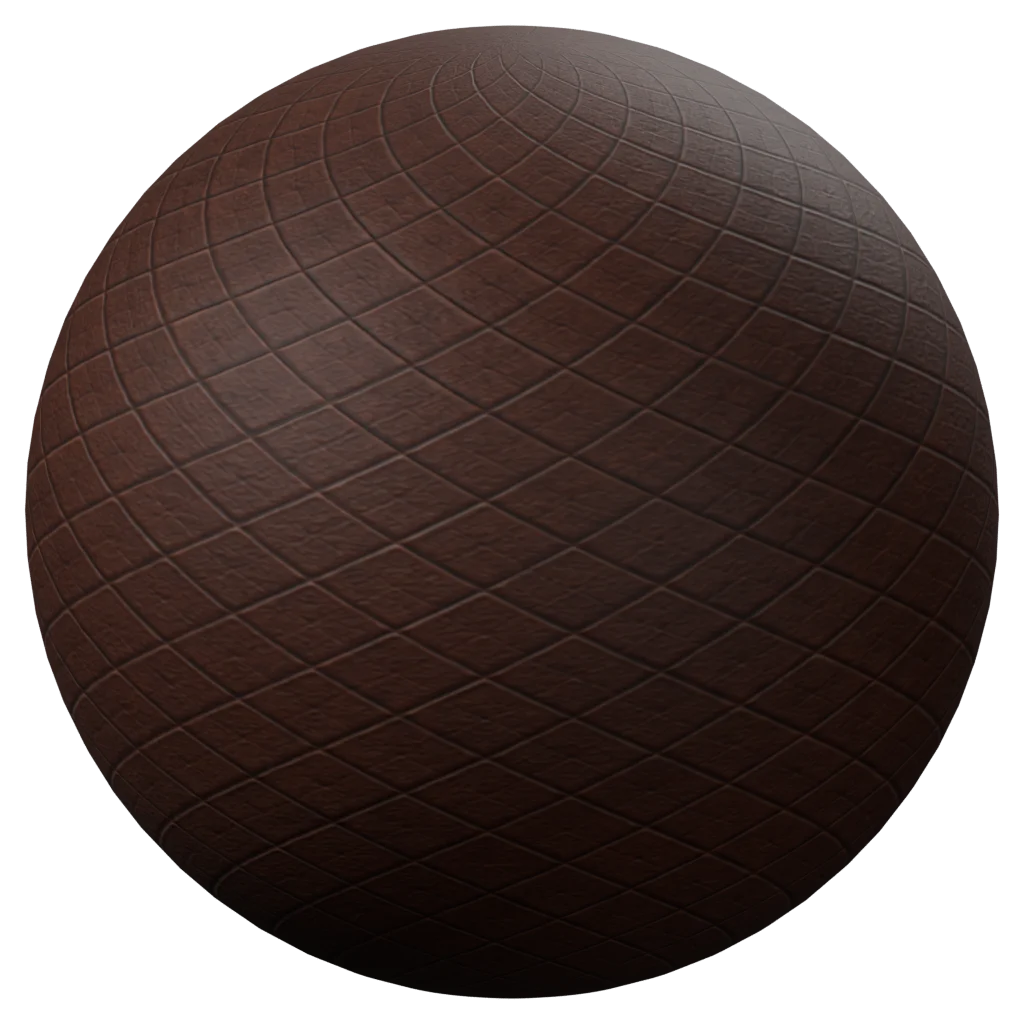
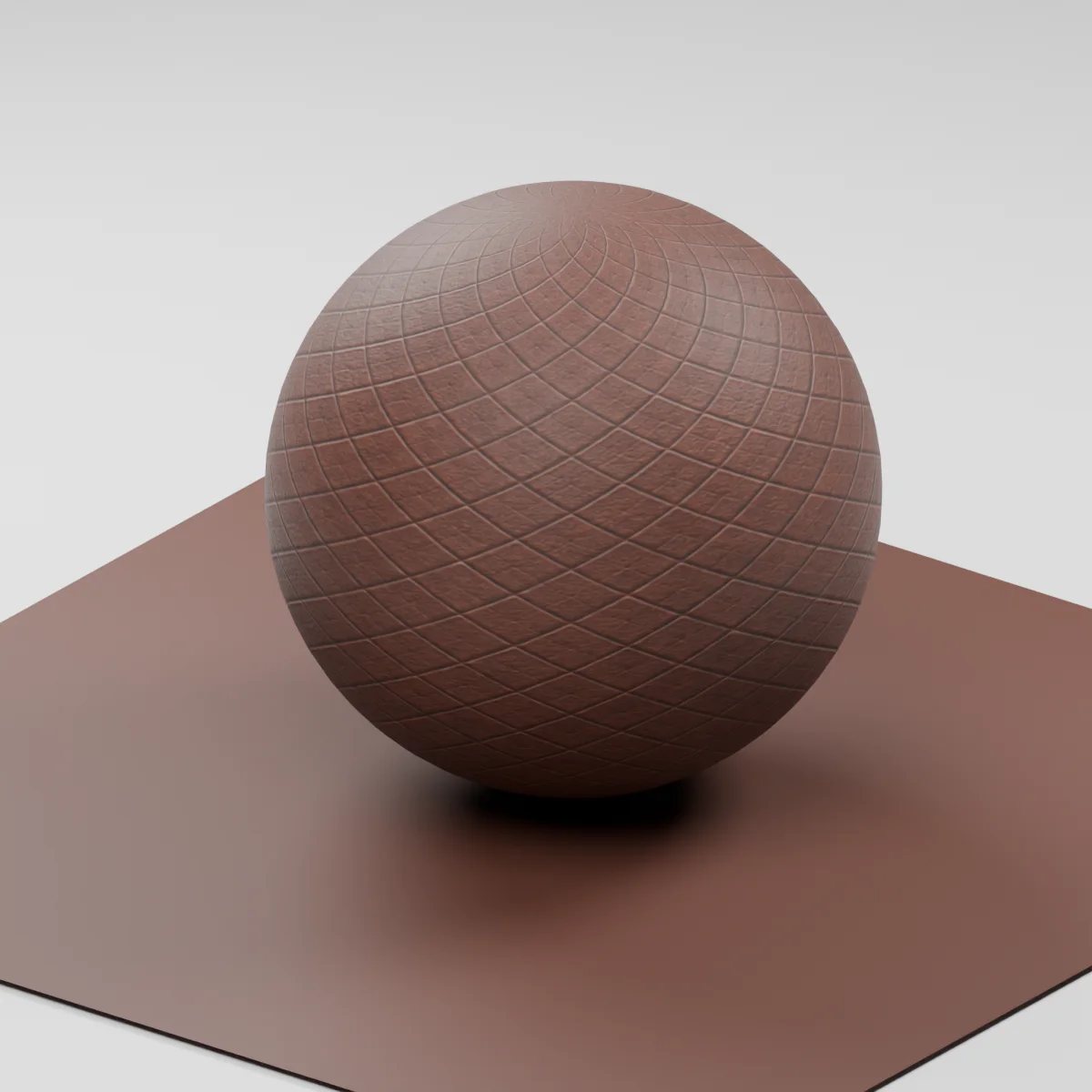
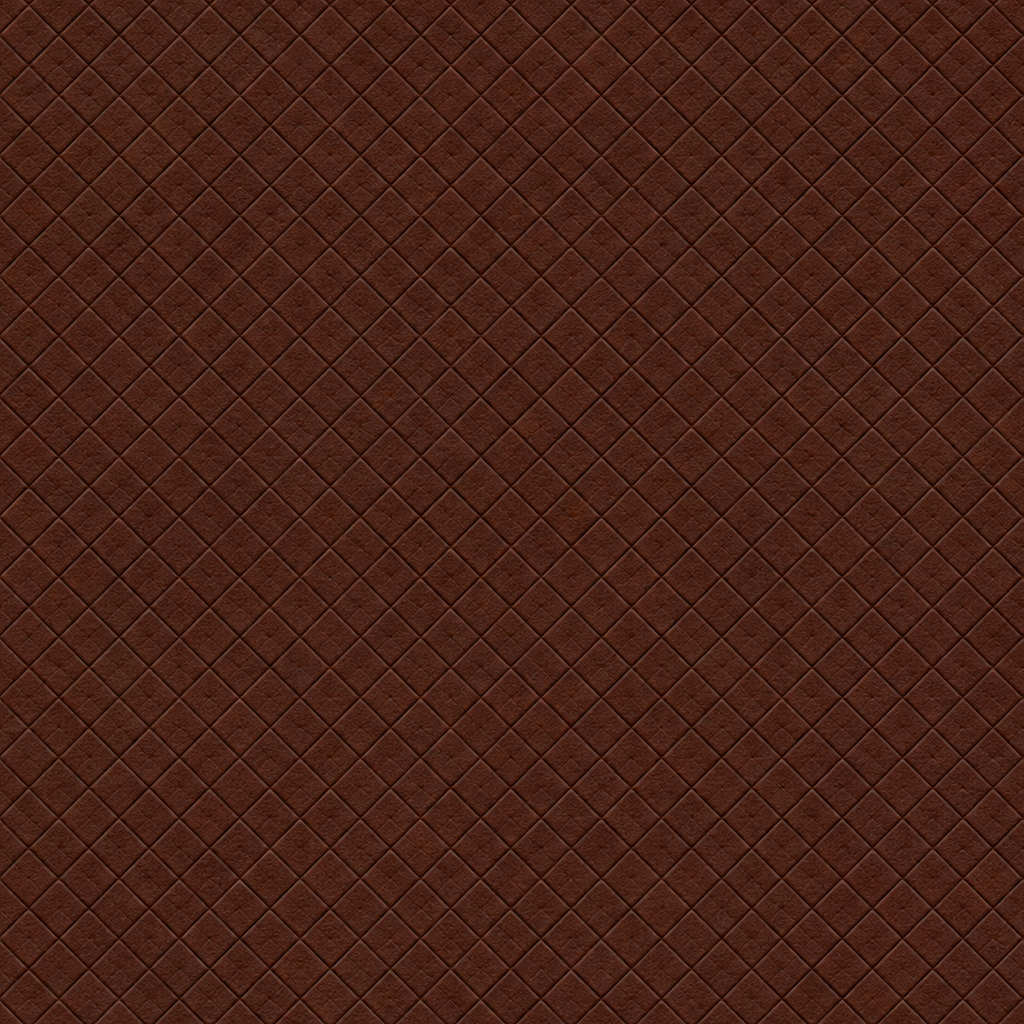
Small diamond cells form a pressed lattice across espresso-brown leather. Fine pores remain visible inside the cells. The channels have soft shoulders and a shallow profile under side light.
Where to use this material
Use it on bag panels, notebook covers or decorative upholstery inserts. Keep the diamond scale consistent across panels. Model piping, stitching and seams where they need to catch light or change the silhouette.
Keep the finish believable
Start with roughness 0.66 and normal strength 0.6. Lower the normal strength if the emboss looks inflated. A large side light helps compare the fine pore grain and the pressed channels.
Texture scale and UV repeats
The Blender plane uses an illustrative 10 cm repeat. Compare the diamond width against the stitching or piping of your model. Keep equal U and V scales so the lattice stays regular, then align the diamond rows across adjoining panels.
The example uses 0.1 m per full texture tile. This is an illustrative UV scale, not a measured physical capture. Inspect the repeat at your actual camera distance before covering a large surface.
Set up Embossed Geometric Leather in Blender
Connect albedo.png to Base Color using sRGB. Use roughness.png and normal-gl.png as Non-Color data. Route the normal through a Normal Map node, starting at strength 0.6. Set metallic to 0. The downloadable scene packs all three images.
The base color is AI-generated, and normal and roughness are estimates. The material changes surface shading; it does not add silhouette geometry. The pack has no displacement, AO or metallic image. For an engine expecting DirectX normals, use an image editor to invert the normal map’s green channel. Follow the Blender texture setup guide for the node connections.
Compare related finishes
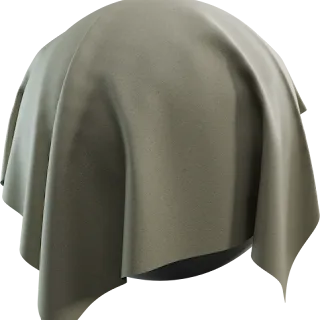
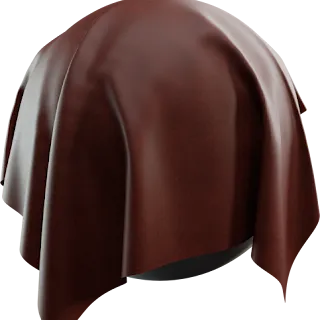
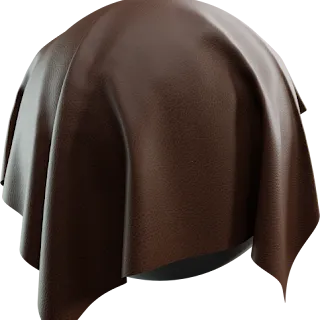
Brown Leather · Leather Red 02 · Fabric Leather 02
Embossed Geometric Leather: common questions
How do I keep the embossed diamonds aligned across panels?
Set equal UV scale on each panel, orient the rows consistently and match their phase at the seam. Compare the cells near the seam before adding modeled stitching or piping.
Why does the emboss look like padded quilting?
Reduce normal strength and check the response under a broad side light. The intended finish uses shallow pressed channels with fine leather pores inside each cell. Model padded forms separately when the upholstery silhouette needs them.
Browse the leather texture library, the existing material library, or use the tile and offset checker to inspect repetition.