About this texture
Split Cream Quartzite: finish and surface detail
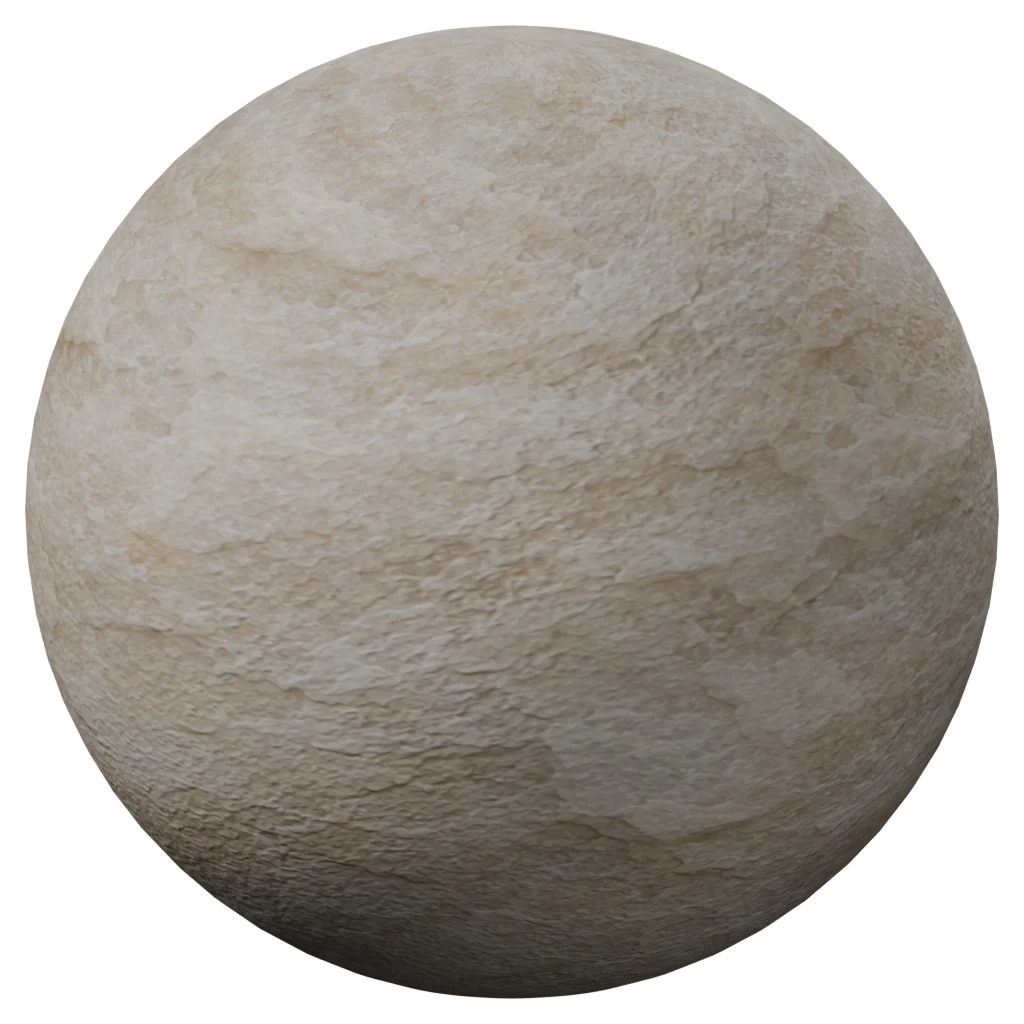
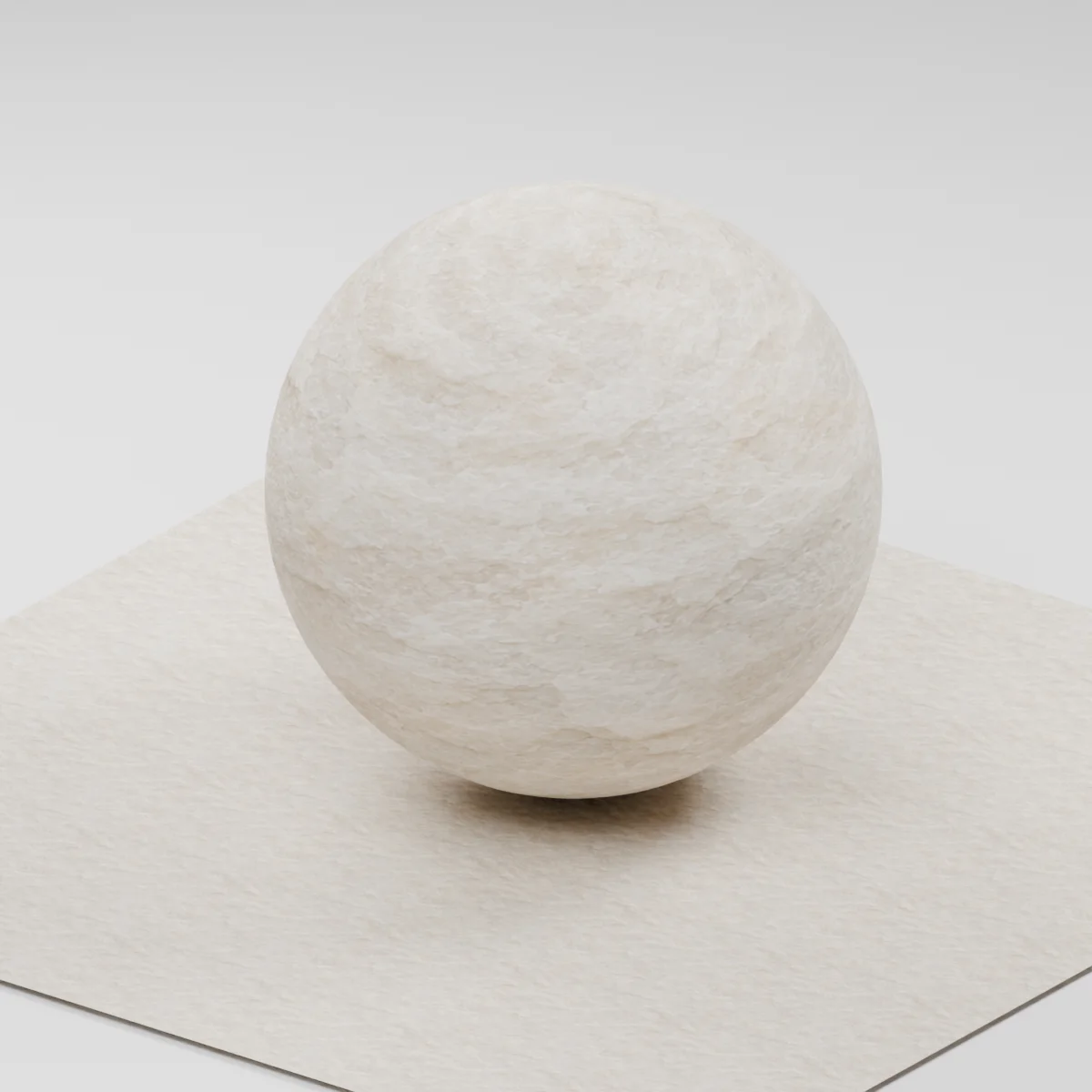
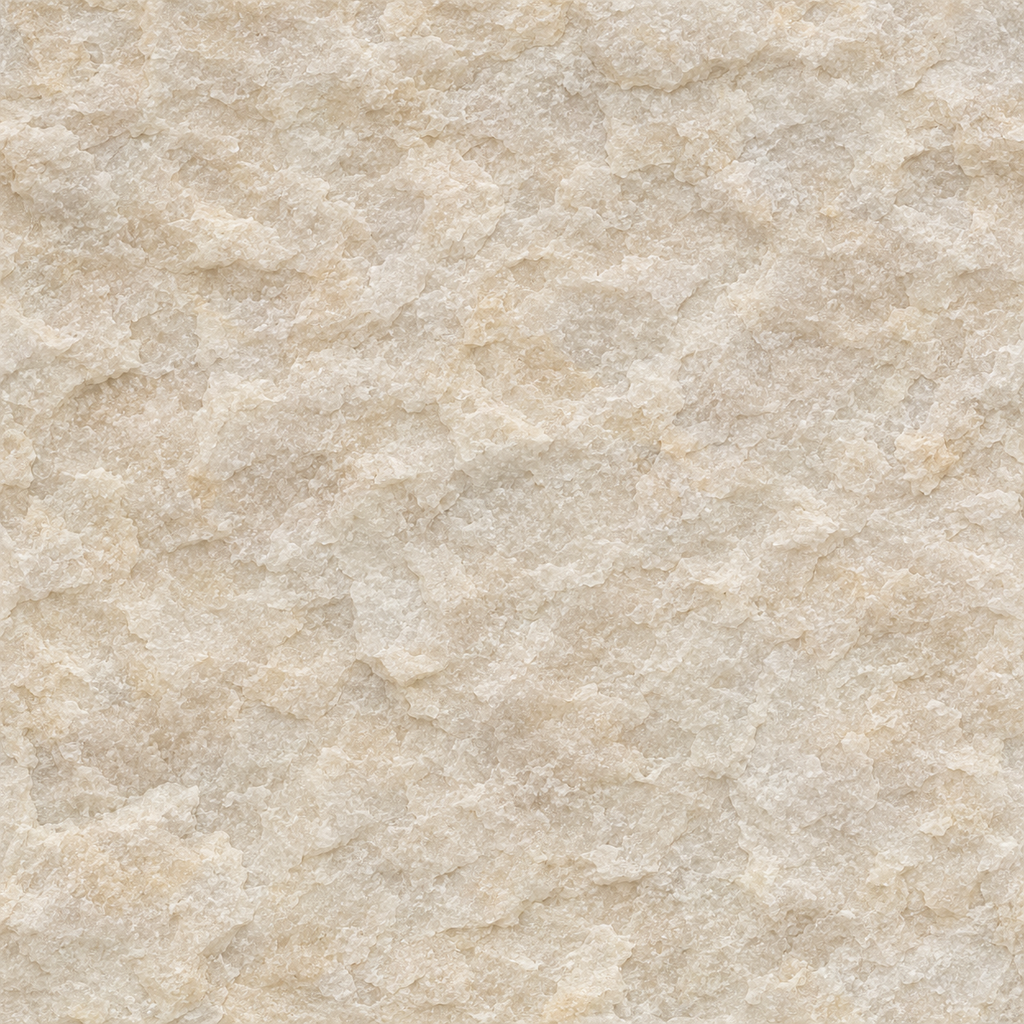
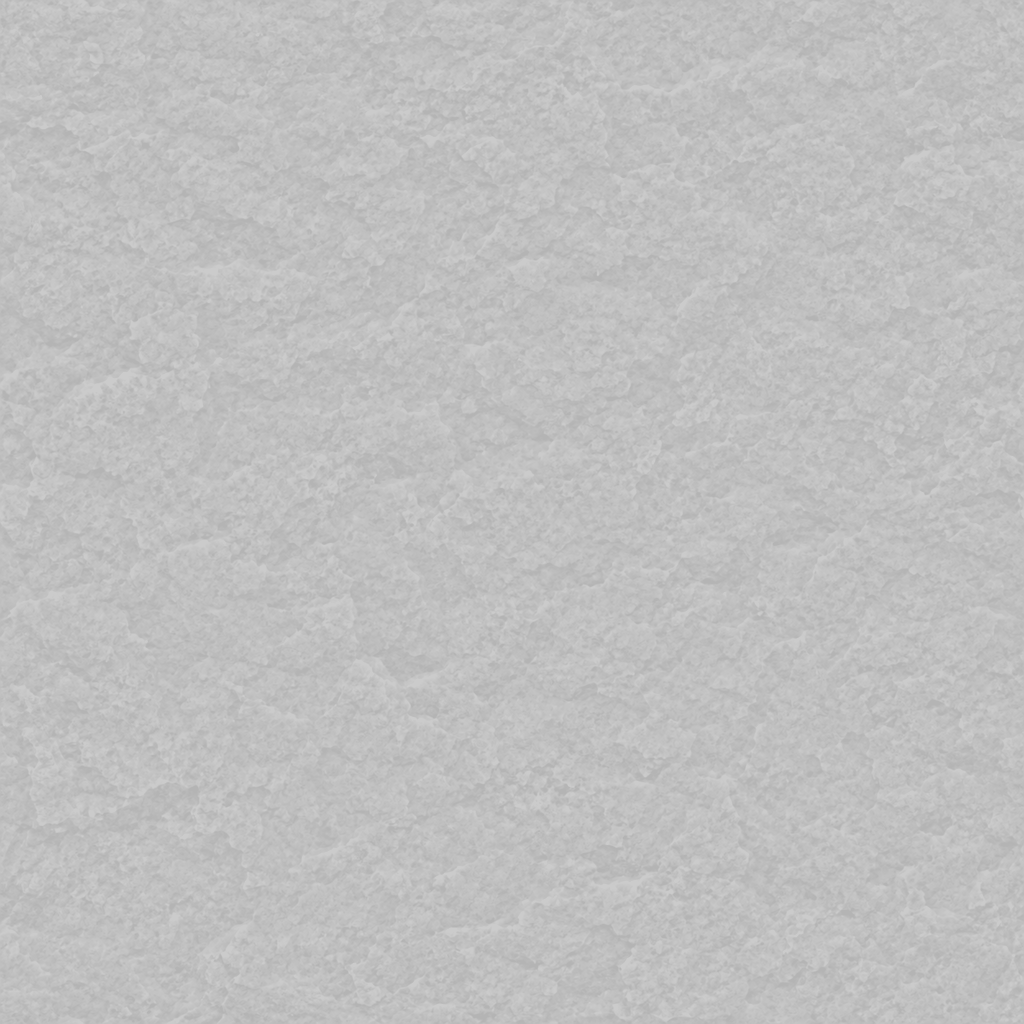
Warm ivory mineral grains and small angular clefts give this cream quartzite study a dry split-face appearance. The broken facets are irregular rather than arranged in masonry rows, with pale sand and warm gray variation between the fine crystalline details.
Where to use this material
Use it on a stone feature wall behind an entry bench or on exterior cladding in an architectural render. Build the panel joints, wall caps and exposed edges in geometry. The repeat supplies surface detail; it does not define individual installed stone pieces.
Keep the finish believable
Start near roughness 0.75 and normal strength 0.65. A broad side light should reveal small clefts without turning pale mineral edges into deep grooves. This material uses an opaque nonmetallic shader; model edge chips or deeper fractured silhouettes separately.
Texture scale and UV repeats
The demonstration uses an illustrative 40 cm square repeat. Fine grains read at a few millimeters, while larger broken facets occupy a few centimeters. Check this scale beside a door frame or coping stone, keep adjacent faces consistent and use a larger layout variation for wide walls. Scale and depth are visual estimates.
The example uses 0.4 m per full texture tile. This is an illustrative UV scale, not a measured physical capture. Inspect the repeat at your actual camera distance before covering a large surface.
Set up Split Cream Quartzite in Blender
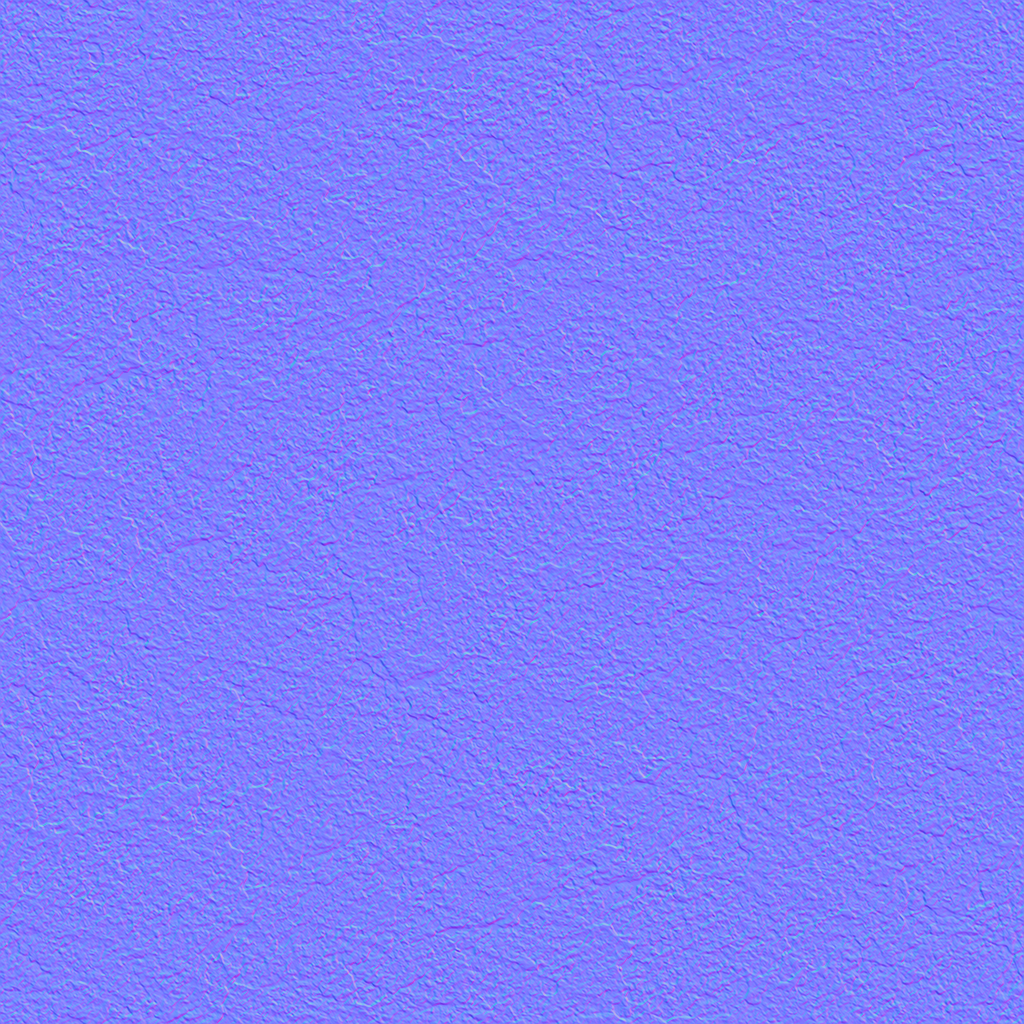
Connect albedo.png to Base Color using sRGB. Use roughness.png and normal-gl.png as Non-Color data. Route the normal through a Normal Map node, starting at strength 0.65. Set metallic to 0. The downloadable scene packs all three images.
The base color is AI-generated, and normal and roughness are estimates. The material changes surface shading; it does not add silhouette geometry. The pack has no displacement, AO or metallic image. For an engine expecting DirectX normals, use an image editor to invert the normal map’s green channel. Follow the Blender texture setup guide for the node connections.
Compare related finishes
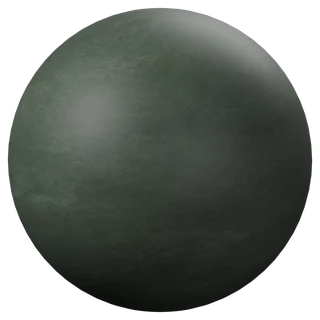
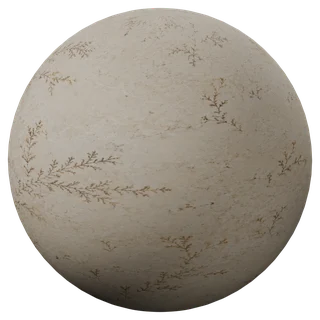
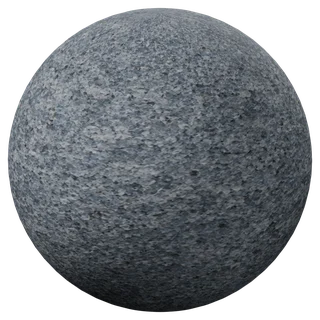
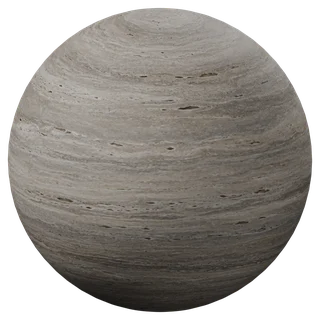
Dendritic Limestone · Silver Vein-Cut Travertine · Slate Floor 03
Split Cream Quartzite: common questions
How does this split quartzite study differ from slate?
Its pale granular face has small irregular crystalline facets rather than long dark cleavage layers or a stacked-slate layout. Compare the mineral scale and the modeled joint pattern as well as the color when choosing the wall finish.
Can the normal map replace the stone panel edges?
No. The estimated normal changes lighting across the shallow clefts without changing the mesh silhouette. Model the panel joints, coping and exposed broken edges, and check the result under a grazing light before a close view.
Browse the stone texture library, the existing material library, or use the tile and offset checker to inspect repetition.