

About this texture
Matte Brick-Format Porcelain: finish and surface detail
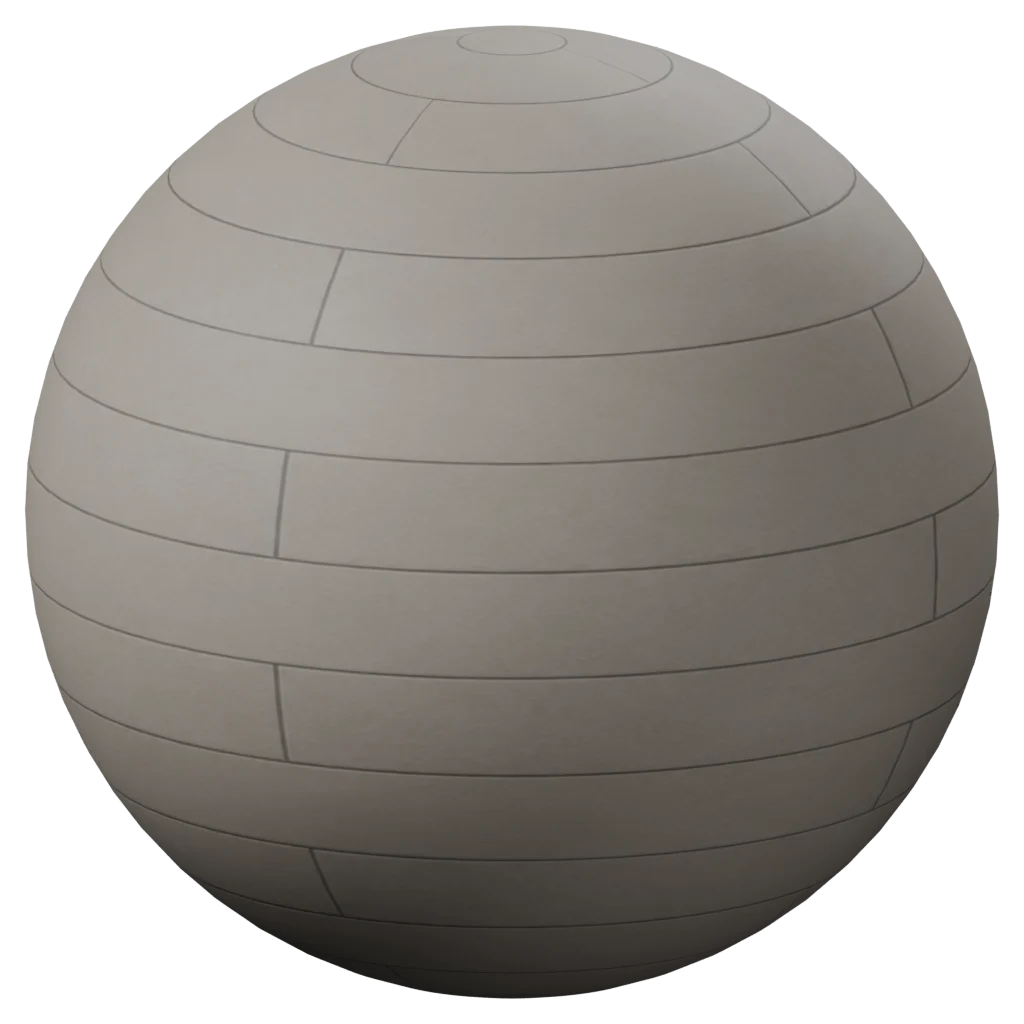
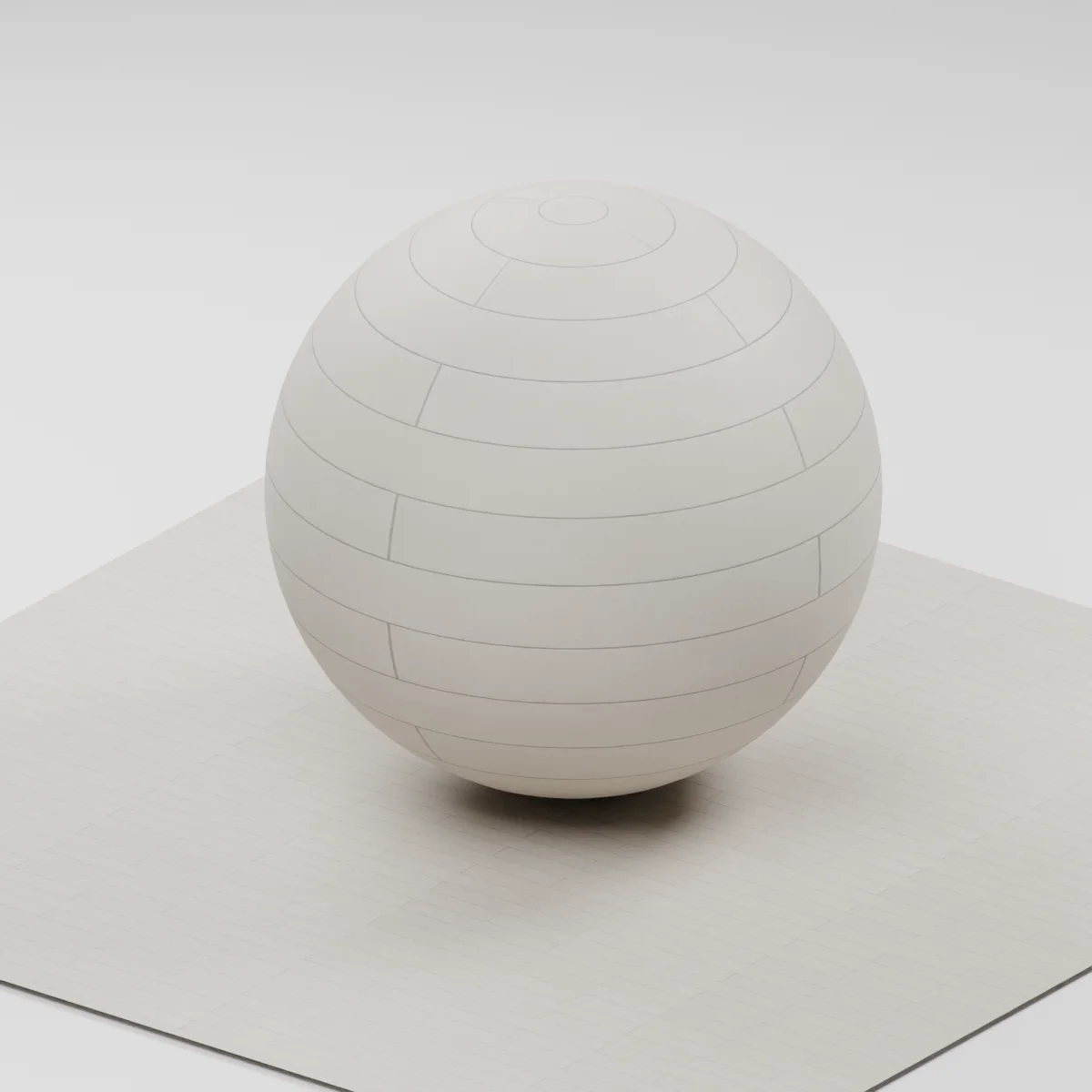
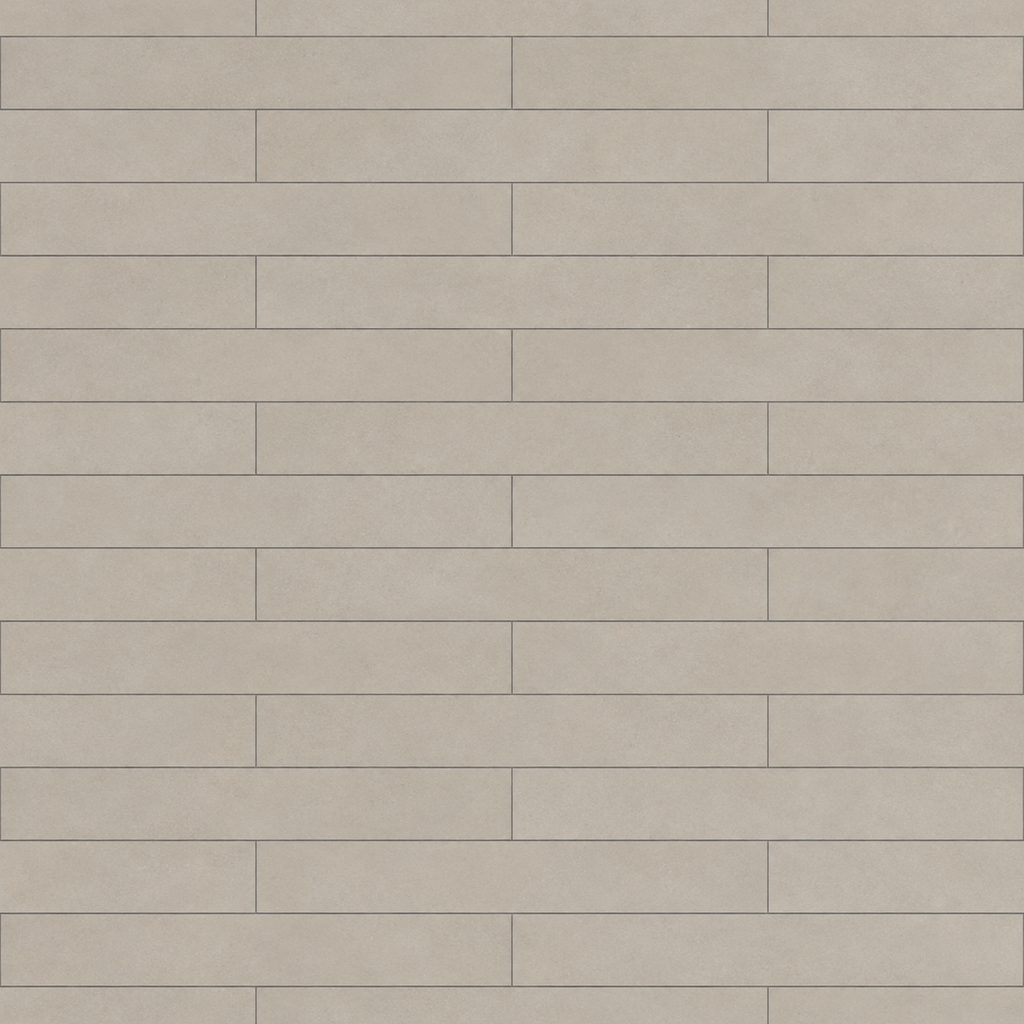
Slim warm greige porcelain modules run in horizontal rows with a half-module offset. The matte faces have fine, subdued mottling. Narrow gray grout lines define the rectangular pattern.
Where to use this material
Use it on a kitchen backsplash, bathroom feature wall or a tiled niche. Keep the rows level with the surrounding fixtures and align the offset at returns. Model exposed tile cuts, outside corners and trim where the silhouette is visible.
Keep the finish believable
Start near roughness 0.62 and normal strength 0.75. The grout receives a rougher response than the porcelain face in the estimated map. Use a broad side light and reduce the normal strength if the joints appear too deep.
Texture scale and UV repeats
The demonstration uses an illustrative 80 cm square repeat. Two horizontal module pitches fit across it and fourteen rows fit vertically, placing each module near 40 by 5.7 cm. Check the joint width beside a tap or shelf and keep the UV scale consistent on adjoining wall faces.
The example uses 0.8 m per full texture tile. This is an illustrative UV scale, not a measured physical capture. Inspect the repeat at your actual camera distance before covering a large surface.
Set up Matte Brick-Format Porcelain in Blender
Connect albedo.png to Base Color using sRGB. Use roughness.png and normal-gl.png as Non-Color data. Route the normal through a Normal Map node, starting at strength 0.75. Set metallic to 0. The downloadable scene packs all three images.
The base color is AI-generated, and normal and roughness are estimates. The material changes surface shading; it does not add silhouette geometry. The pack has no displacement, AO or metallic image. For an engine expecting DirectX normals, use an image editor to invert the normal map’s green channel. Follow the Blender texture setup guide for the node connections.
Compare related finishes
Charcoal Penny-Round Mosaic · Ribbed Pistachio Ceramic · Long White Tiles
Matte Brick-Format Porcelain: common questions
How do I keep the half-offset rows aligned at a corner?
Use equal UV scale on adjoining wall faces and match the horizontal joint elevations. Place the UV seam at a planned corner or cut so the module offset remains consistent with the modeled layout.
Why does the grout reflect light differently from the tile?
The starter roughness varies between the matte porcelain and the fine grout. Inspect it under a large area light. Adjust the roughness range if your scene needs a softer separation, while keeping the narrow joint visible.
Browse the tiles texture library, the existing material library, or use the tile and offset checker to inspect repetition.